
How is the Artemis program laying the foundation for a sustainable lunar economy? Which nations, industries, and institutions stand to gain the most from the emerging lunar economy? Why does early participation in Artemis matter for shaping the rules of the lunar economy?
This blog examines how NASA’s Artemis program is transforming lunar exploration into the foundation of a lasting lunar economy. Rather than treating the Moon as a one-time destination, Artemis is building permanent infrastructure—communications, power systems, transportation, and governance frameworks—that enable recurring scientific, commercial, and international activity. Drawing on lessons from satellite infrastructure on Earth, the article explains how early investments in systems and standards create long-term economic and strategic advantages within the lunar economy.
The post also explores who will benefit most from the lunar economy, from national governments and private aerospace firms to technology providers, universities, and emerging service industries. Special attention is given to the opportunities for African space agencies to engage early, build institutional capacity, and help shape governance rather than adapt to it later. Ultimately, the blog argues that the lunar economy is not just about activity on the Moon itself, but about the interconnected systems, data, and partnerships that will define humanity’s next phase of economic development beyond Earth.
The Artemis program is reshaping modern space science and the way we think about our presence beyond Earth. NASA and its international partners are working to build that foundation. This represents the beginning of a lunar economy, where scientific missions, commercial activity, and international cooperation create recurring value.
In my own work with satellite systems and national space programs, I know that early investments in space infrastructure can transform a country’s position in space. Nations that move quickly on communications satellites, Earth-observation systems, and data infrastructure gain long-lasting advantages in telecommunications, agriculture, climate resilience, and national security.
As we move into this next chapter of space development, the Moon is no longer a final destination. It’s actually the starting point. Artemis is enabling a landscape in which the scientific value of the Moon directly impacts commercial opportunity, public policy, and global collaboration. Lunar activity will influence manufacturing, automation, energy production, planet research, and international partnerships in ways that reach far beyond aerospace.
Why Artemis Marks the Transition from Exploration to Economic Development
Artemis is different from the previous lunar missions because it’s designed for permanence. This program aims to develop a sustainable architecture that future missions, governments, academics, and commercial entities can rely on. This is a defining characteristic of a lunar economy.
Artemis values all emerging infrastructure:
- A small space station that orbits the Moon
- Networks that link the Earth and the Moon
- Transportation systems for crews, cargo, and robotics
The program also marks a change in governance, as Artemis is built around international agreements, shared standards, and coordinated policies. That approach matters because development requires predictability. When partners know how they can participate, what rules apply, and how benefits are shared, they can plan, invest, and innovate in confidence.
For African countries and space agencies, this governance model carries significance. Engaging with Artemis offers exposure to emerging operational, technical standards, and data-sharing practices that will define space activity for years to come. Rather than adapting to established rules later, African agencies have the opportunity to shape how these frameworks evolve within the space governance framework.
Foundational Infrastructure: The Cornerstone of a Lunar Economy
No lunar economy can exist without reliable infrastructure. Communications, power, mobility, and transport networks are the prerequisites. Artemis is assembling the satellite operators responsible for building the invisible infrastructure that supports today’s digital world.
Lunar Communications Architecture
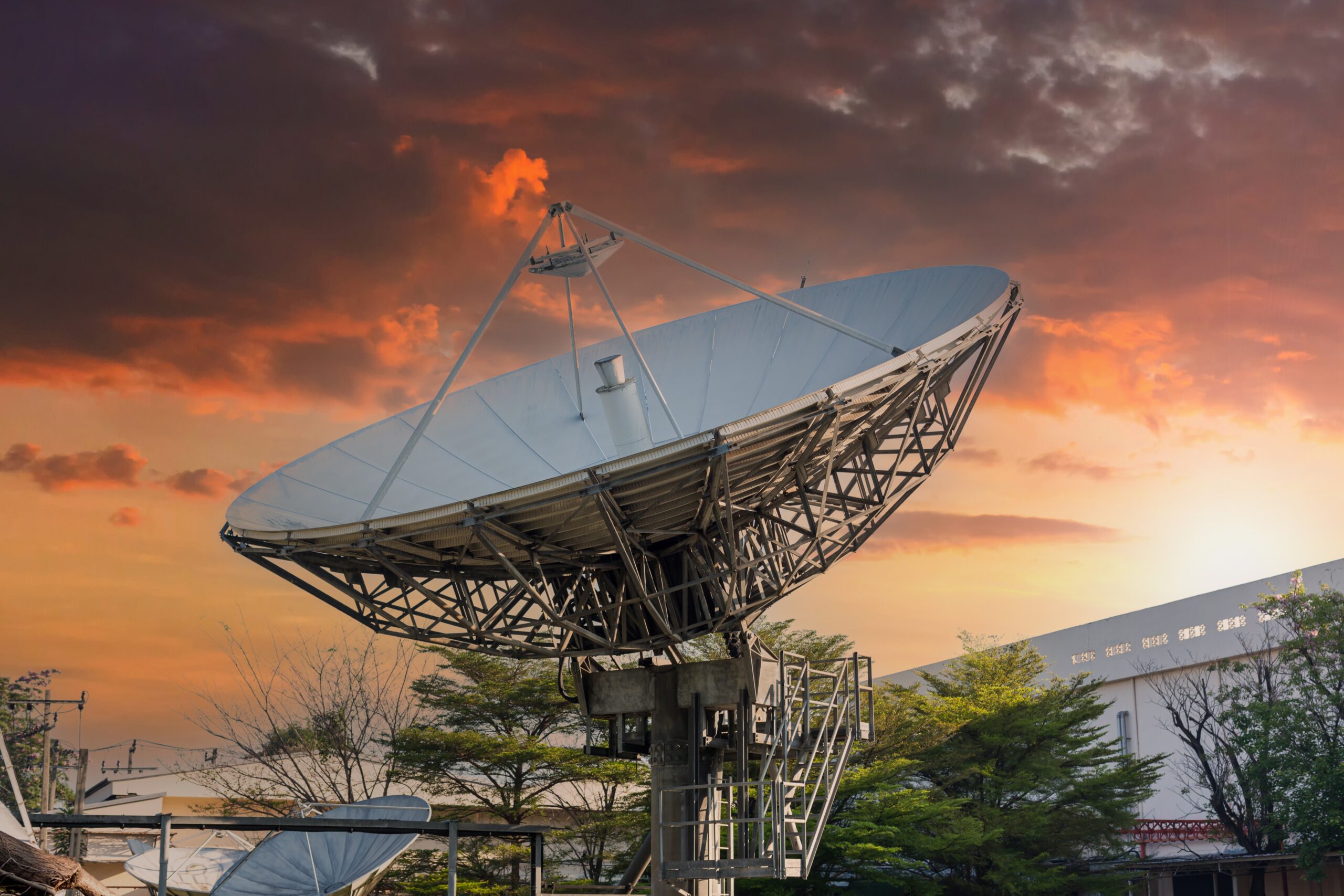
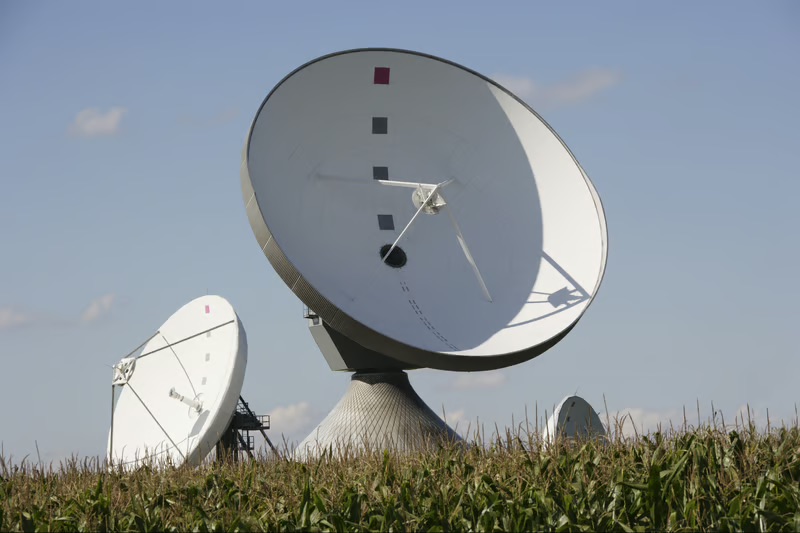
Communication is like the nervous system, the command center responsible for everything. Artemis depends on the principle of global satellite networks that connect Earth today. These systems will support navigation, logistics, scientific research, tele-operations, and commercial services on the lunar surface and in orbit.
I’ve learned through my experience that investing early in national satellite infrastructure, including ground stations, data centers, and operational expertise, continues to generate benefits well into the future. The same will be true on the Moon. The first to build and operate lunar communication and data networks will shape technical standards, control key interfaces, and benefit from sustained service demand.
For African agencies, participating in Artemis, linked communications and data architecture allows countries to contribute through mission operations, data processing, and analytics in the areas where space experience can be extended without the need for independent deep space launch capabilities.
Power and Energy Systems
A functional lunar settlement is impossible without reliable power. Solar arrays, nuclear micro-reactors, energy storage systems, and potentially wireless power transmission will enable rovers, habitats, scientific laboratories, and manufacturing facilities to operate through long days and nights.
Energy enables mining, construction, mobility, and materials processing. It also determines where activity can occur. In that sense, energy infrastructure will draw the first economic map of the Moon.
Transportation and Mobility
Transportation on the Moon will play a role similar to sea lanes and highways on Earth. Landers, reusable launch systems, rovers, and orbital tugs will serve as the trade routes of the lunar economy.
Over time, the speed and cost of lunar transportation will largely determine how fast the economic system grows. Efficient networks will enable the delivery of materials, facilitate research logistics, and allow for coordination between different bases and facilities.
Key Economic Sectors Emerging Around Artemis
As Artemis matures, several economic sectors are taking shape around it. Together, they form the early structure of a lunar economy, just as communications, navigation, and Earth observation have grown from satellite infrastructure on Earth.
Lunar Resource Extraction
The Moon holds resources that are valuable both locally and for broader space operations:
- Water ice that can be converted to drinking water or split into hydrogen and oxygen for fuel
- Oxygen that can support life and industrial processes
- Mineral and metal deposits contained in the lunar soil
By using resources available on the Moon rather than flying everything from Earth, mission costs can drop immensely. Over time, resource extraction and in-situ processing will support fuel depots, construction materials, and life-support systems, and may become one of the most profitable lunar industries.
Construction and Habitat Development
Habitat construction will rely heavily on local materials and advanced manufacturing. Technologies such as 3D printing, modular structures, and radiation shielding will enable the construction of research stations, industrial workshops, living quarters, and a wide range of other facilities.
We can expect a progression similar to Earth’s early industrial zones, small, specialized facilities that grow into interconnected clusters. The companies and nations that master lunar construction techniques will also generate knowledge that can improve resilient infrastructure here on Earth.
Science and Technology R&D
Artemis will accelerate research on topics ranging from robotics and AI to human health. The Moon’s environment creates unique conditions like harsh temperature cycles, long periods of light and darkness, radiation, and low gravity.
These conditions will drive innovation in materials, sensors, autonomy, and life-support systems. The results will benefit not only Moon missions but also industries on Earth that need efficient technologies.
Communications and Navigation Services
As more missions travel to and operate around the Moon, the demand for communication, navigation, and data services will increase. Networks, positioning systems, and data platforms will function similarly to today’s commercial satellite services in Earth’s orbit.
Companies that establish early infrastructure will become essential partners for others who want to operate in the lunar environment. The more actors that join, the more valuable those services become.
Who Stands to Benefit from a Lunar Economy
The lunar economy will not benefit only a small group of traditional space powers. Its value will extend to governments, private companies, research institutions, and entire regions that position themselves strategically.
National Governments
For governments, Artemis offers strategic benefits:
- Technological leadership and industrial development
- Monitoring capacity across the cislunar environment
- New sectors for high-skill employment
Countries that already understand how satellite assets support national priorities, through telecommunications, navigation, Earth observation, and geospatial AI, will be able to extend that logic to the Moon.
For African governments, engagement with Artemis also supports long-term capacity building. Participating strengthens mission assurance and data governance. These capabilities directly reinforce national Earth-orbit programs and regional cooperation.
Private Aerospace Companies
Private aerospace firms will find opportunities in launch, landers, rovers, robotics, construction materials, power systems, and in-orbit services. Many of these capabilities are extensions of what they are already building for Earth, but adapted to lunar conditions. As the Artemis infrastructure stabilizes, we should expect full supply chains to emerge, from hardware production to maintenance, training, software, and analytics.
Technology and Infrastructure Providers
Companies specializing in communications networks, cybersecurity, automation, mission control, and data processing will form the digital backbone of the lunar environment. Their role will be as central as telecom operators and cloud-service providers are on Earth today.
Research Institutions and Universities
Artemis opens new frontiers for planetary science, geology, materials research, and life-support systems. Universities and research labs will gain access to data and testbeds that were not previously available. For students, the Moon will not be a distant concept but a real laboratory and workplace.
Emerging Lunar Service Industries
Alongside physical infrastructure, service industries will develop:
- Legal and regulatory services to interpret and apply space law
- Environmental monitoring to track human impact on the lunar environment
- Risk-management and insurance tailored to off-Earth operations
- Resource management and developmental standards
These sectors may grow as quickly as the hardware businesses, just as financial, legal, and digital services did around satellite and internet infrastructure.
Economic Lessons from Satellite Infrastructure for Building the Lunar Marketplace
The lunar economy is new, but the underlying patterns are not. We have already seen how space infrastructure can reshape national and regional economies through the use of satellites.
Early satellite investments created capabilities in:
- Telecommunications and broadcasting
- GPS and navigation
- Earth observation for agriculture, urban planning, and preparing for disasters
Once those foundational systems were in place, innovation accelerated. New companies emerged, new services appeared, and an entire chain formed around the data and connectivity that satellites provide.
Artemis is at a similar stage. The infrastructure now under development in communications, power, transportation, and habitats will enable others to build on top of it. Public-private partnerships will be key. Governments will reduce the risk of initial systems, and companies will scale them, innovate around them, and find new uses.
Another lesson from satellite systems is the importance of standardization and collaboration. Constellations and ground networks that aligned around shared technical and regulatory frameworks scaled faster and attracted more partners. Artemis is applying the same principle. The more interoperable the lunar systems become, the easier it will be for emerging space nations, startups, and universities to participate.
Finally, satellite infrastructure has shown how powerful data can be. Once Earth-observation data became more accessible, researchers, governments, and companies unlocked enormous value in agriculture, climate science, logistics, and finance. The Moon will follow a similar pattern to Artemis missions, which generate scientific, geological, and resource data. Those who know how to interpret and apply that data will create significant advantages.
The Long-Term Vision for a Sustainable Lunar Economy
In the long term, the lunar economy will transition from being heavily government-led to a mix of public and commercial activities that are self-sustaining. Artemis is the framework for systems to come.
Cislunar space, the region between Earth and the Moon, will become increasingly important.
Over time, we might see:
- Transportation pathways that move people and cargo between Earth, lunar orbit, and the Moon’s surface.
- Refueling stations that store and supply fuel produced from lunar materials.
- Manufacturing sites that use the Moon’s unique environment to make specialized products.
- Logistics hubs that manage and coordinate spacecraft moving between multiple lunar destinations.
For African space agencies, engagement in this phase shapes future priorities. Artemis encourages agencies to focus on systems, standards, workforce development, and regional coordination instead of isolated missions. These priorities mirror successful satellite programs and position Africa for long-term relevance in deep-space activity.
Looking ahead, some of the most important benefits may come not from the Moon itself, but from the systems built to reach and operate on it. These capabilities, autonomous operations, in-situ resource utilization, advanced energy systems, and cislunar logistics will change how humanity explores, collaborates, and creates value in space. Artemis is not only building a gateway to the Moon; it’s actively building a gateway to the wider solar system.
Conclusion
Artemis is more than a return to the lunar surface. It is the beginning of a structured, scalable, and collaborative lunar economy. Just as satellite investments reshaped national economies and opened new industries, lunar infrastructure will drive the next generation of innovation. Countries, regions, and organizations that act early and strategically will secure advantages that last for decades.
For African countries and space agencies, the significance of Artemis lies in its early engagement, which strengthens institutional capacity, supports regional cooperation, and elevates Africa’s role in global space governance. Participation in frameworks such as the Artemis Accords enables African agencies to contribute to rule-making, rather than simply adapting to it.
The Moon is becoming an operational environment that requires strategy, coordination, and vision. Artemis is assembling the systems that will make that possible. The emergence of a lunar economy is not only a technological development but also a global opportunity. Nations, researchers, and companies that prepare now will play a central role in shaping economic activity beyond Earth and influencing how humanity explores, cooperates, and builds in space for generations to come.