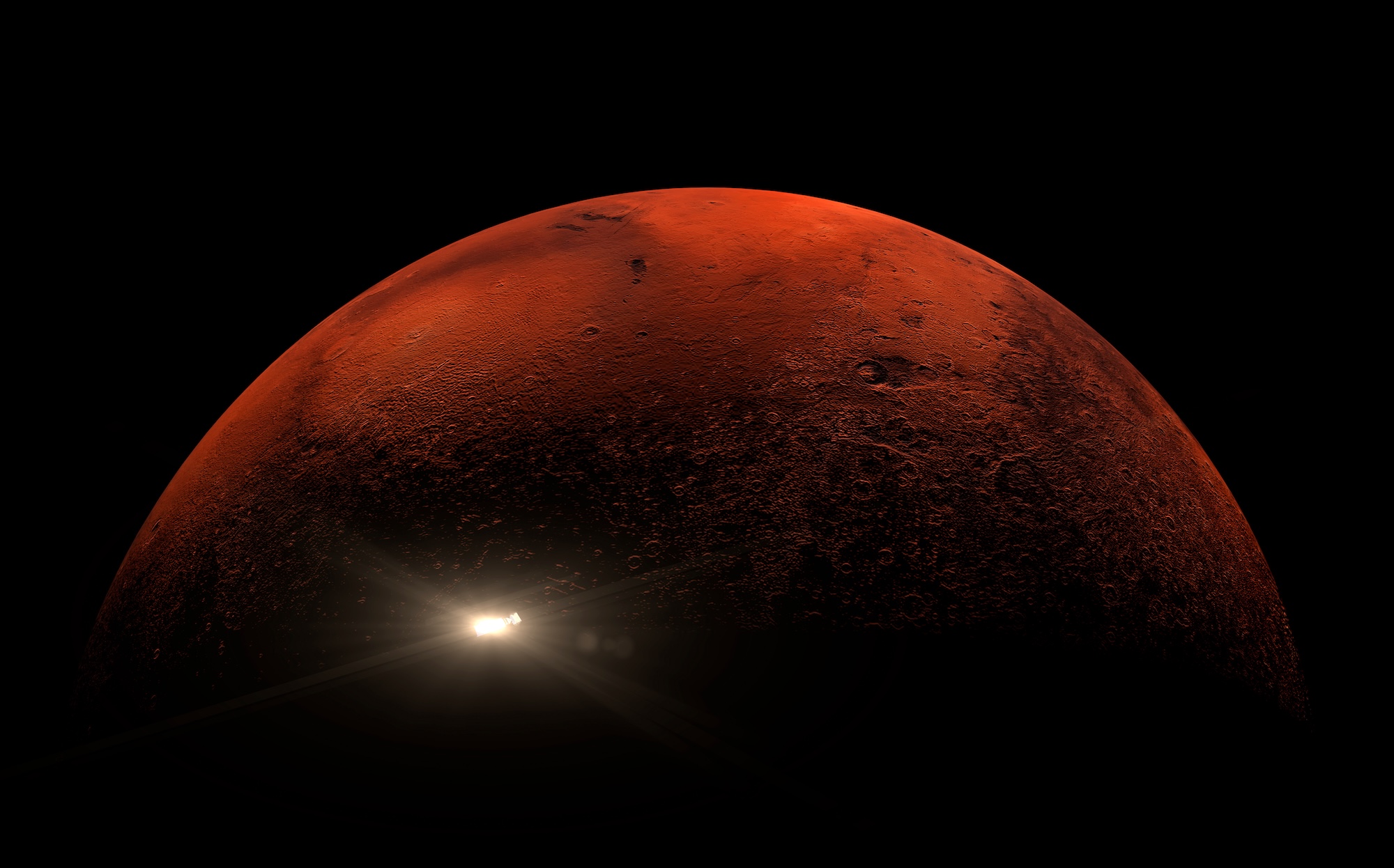
How does Artemis create the operational foundation necessary for exploring planet Mars? Why is systems engineering essential to exploring planet Mars successfully and sustainably? How can emerging space nations contribute meaningfully to exploring planet Mars through governance, logistics, and STEM capacity building?
Exploring planet Mars is not simply a vision of inspiration; it is an operational challenge that demands infrastructure, logistics discipline, governance coordination, and resilient human capital. This blog reframes Mars as a systems-engineering problem and positions Artemis as the proving ground where architecture, standards, and repeatable operations are tested under real conditions. By validating power systems, communications networks, mobility platforms, supply chains, and autonomy on the Moon, Artemis transforms exploring planet Mars from speculation into a structured pathway built on learning and iteration.
The article also highlights how exploring planet Mars is inherently multinational and inclusive. Through governance frameworks like the Artemis Accords, interoperable standards, and workforce development pipelines, emerging nations, including those in Africa, can engage through data systems, digital infrastructure, logistics modeling, and regulatory readiness. The pathway to exploring planet Mars becomes stronger when participation is built on operational capability, institutional memory, and sustained STEM investment rather than one-off missions.
Mars has always captured attention as a destination. But the Mars conversation needs a reset. This is not primarily a story about inspiration. It is a story about readiness.
The clearest way to talk about Mars is to treat it as an operational challenge. That means focusing on infrastructure, logistics, governance, training, and reliable performance under stress. Space science has taught me that when a mission fails, it is usually because systems are brittle, assumptions go untested, or operations can’t adapt. Mars forces discipline because it removes the safety net. Distance increases risk, communications delays, slow decision-making, and resupply is constrained by orbital mechanics. A mission design that looks strong on paper can fail in real time when it encounters real constraints.
Artemis matters because it shifts exploration from speculative ambition to sustained operations. It creates an environment where we can test architecture, validate standards, and build routines that can be transferred to deep space. When those routines mature, exploring planet Mars becomes less of a leap and more of an extension.
Mars should be discussed through systems engineering, not speculation. That lens also makes the Africa connection clearer. If Mars is an operational problem, then countries do not need a launch vehicle to contribute. They need capability in engineering, data, logistics, governance, and sustained workforce development. In Angola, technical capacity is growing; it’s changing what partners expect from you and what you can credibly take on. That is where STEM capacity building and the Artemis framework translate into real opportunity and long-term value for African nations within the global space economy.
Artemis as a Systems-Engineering Framework
Artemis is often described as returning to the Moon. Operationally, it is better understood as a systems-engineering framework. It is not a single spacecraft or a single landing. It is an architecture designed to be modular, testable, and upgradeable.
At a high level, Artemis breaks the challenge into segments that are linked together like launch, transit, staging, surface operations, and return. That structure is what makes improvement possible. Each segment can be tested, improved, and integrated into a larger system. Deep-space readiness depends on repeatability.
Artemis also forces learning under real conditions because hardware does not behave the same way in space as it does in simulation. Procedures do not hold up the same way on console as they do on paper. Real operations expose design weaknesses in thermal behavior, dust interaction, power stability, autonomy limits, and human performance under time pressure. Those lessons then feed back into design decisions for future missions.
This approach is familiar if you’ve worked in national space programs. You don’t mature in capability through speeches. You mature it through systems that run, teams that troubleshoot, and processes that improve after every test. That is why Artemis is useful for exploring planet Mars.
Through my engagements at the International Astronautical Congress (Milan 2024 and Australia 2025), Artemis Accords coordination meetings, and related forums, I consistently emphasized that there is no effective global space governance without meaningful inclusion of African and other emerging countries. Artemis succeeds because it bridges systems, standards, and people across levels of capability. Sustainable progress comes from shared governance and repeatable operations, not isolated missions.
Infrastructure Development: Building for Durability and Scale
No economy runs without infrastructure. The same is true for lunar and Mars operations. Artemis is building infrastructure that can survive harsh environments and support repeatable activity.
The categories that matter most are power, communications, navigation, and mobility. Power determines where you can operate and how long you can operate. Communications and navigation determine whether or not you can coordinate, control, and keep people safe. Mobility determines whether you can extend operations beyond a single landing zone.
The lunar surface is an ideal proving ground because it forces designs to withstand long-duration operations, temperature swings, abrasive dust, and radiation exposure. Those conditions stress systems in ways that Earth’s orbit does not. When infrastructure survives lunar operations, it becomes more credible for deep-space scaling. That scaling supports exploring planet Mars because Mars missions require larger, more durable versions of the same functions.
Standardization and interoperability are also part of the infrastructure. They might seem invisible until something breaks. Artemis pushes partners toward shared interfaces, shared norms, and shared procedures. That increases reliability and lowers integration costs.
Shared standards lower entry barriers for emerging space nations by reducing the need for custom integration work. African universities and research centers can contribute to subsystem design, testing, simulation, and data analysis without needing to own the entire architecture.
Ground systems, data pipelines, operational procedures, regulatory readiness, and coordination mechanisms often determine mission success more than hardware. These are also the areas where emerging countries can engage early and add lasting value to multinational programs.
Logistics and Supply Chains Beyond Earth Orbit
Mars is a technology and logistics problem. On Earth, logistics systems absorb shocks, but in deep space, shocks can become failures.
Artemis improves the logistics model by forcing planning discipline. Lunar missions drive clearer thinking about what breaks first, what you can repair in place, what must be replaced, and what you can realistically carry. A mission that cannot sustain itself between resupply opportunities is not operationally mature.
In-situ resource utilization (ISRU) is a major logistics multiplier. Using local resources reduces dependence on Earth. On the Moon, the most discussed example is water ice, which can support life and needs, and be processed into propellant components. The reason ISRU matters is that it changes the mass equation. If you do not have to launch every kilogram from Earth, you reduce cost and risk. That directly improves the feasibility of exploring planet Mars.
Africa has deep terrestrial logistics expertise, ports, rail networks, supply optimization, and regional trade corridors. That expertise can translate into space systems modeling, inventory planning, route optimization, reliability engineering, and operations research. Workforce development in systems logistics, materials science, and operations research is a direct contribution pathway. I often tell teams that if the supply plan is weak, the mission is weak, no matter how advanced the technology looks.
Governance, Coordination, and Multinational Participation
When multiple actors share an environment, they need predictable rules. Artemis includes governance as an operational layer.
The Artemis Accords are often treated as diplomacy. Operationally, they encourage commitments to transparency, interoperability, peaceful use, and coordination. These principles reduce friction. They make joint missions easier. They also reduce risk by clarifying expectations, establishing data-sharing practices, coordinating safety, and promoting responsible behavior. That matters for building trust in cislunar space.
Coordination between public agencies, private industry, and international partners is a defining feature of the Artemis model. This is relevant because exploring planet Mars can’t be sustained by one institution alone. Even if one agency leads, supply chains and capabilities will be distributed.
African nations can engage through governance participation and technical contribution. Building regulatory and policy expertise aligned with international space norms is a strategic investment. This strengthens Africa’s role in global space governance and supports long-term value, not just short-term participation.
Data, Communications, and Digital Infrastructure
Deep-space operations run on data. Artemis is a stress test for communications resilience, decision latency, and autonomy.
The Moon is close enough to enable real-time operations, but it is far enough to require greater discipline in the communication architecture. Lunar operations highlight bandwidth constraints, relay requirements, and the importance of navigation and timing. Over time, Artemis missions push toward more autonomy because you cannot rely on constant manual intervention. That autonomy becomes essential for exploring planet Mars, where communication delays are measured.
Data flows matter as much as data collection. Missions generate telemetry, scientific data, navigation data, and operational logs. If you can’t process and interpret that stream quickly, you cannot operate safely. AI-assisted operations are part of the solution, but the foundation is digital infrastructure.
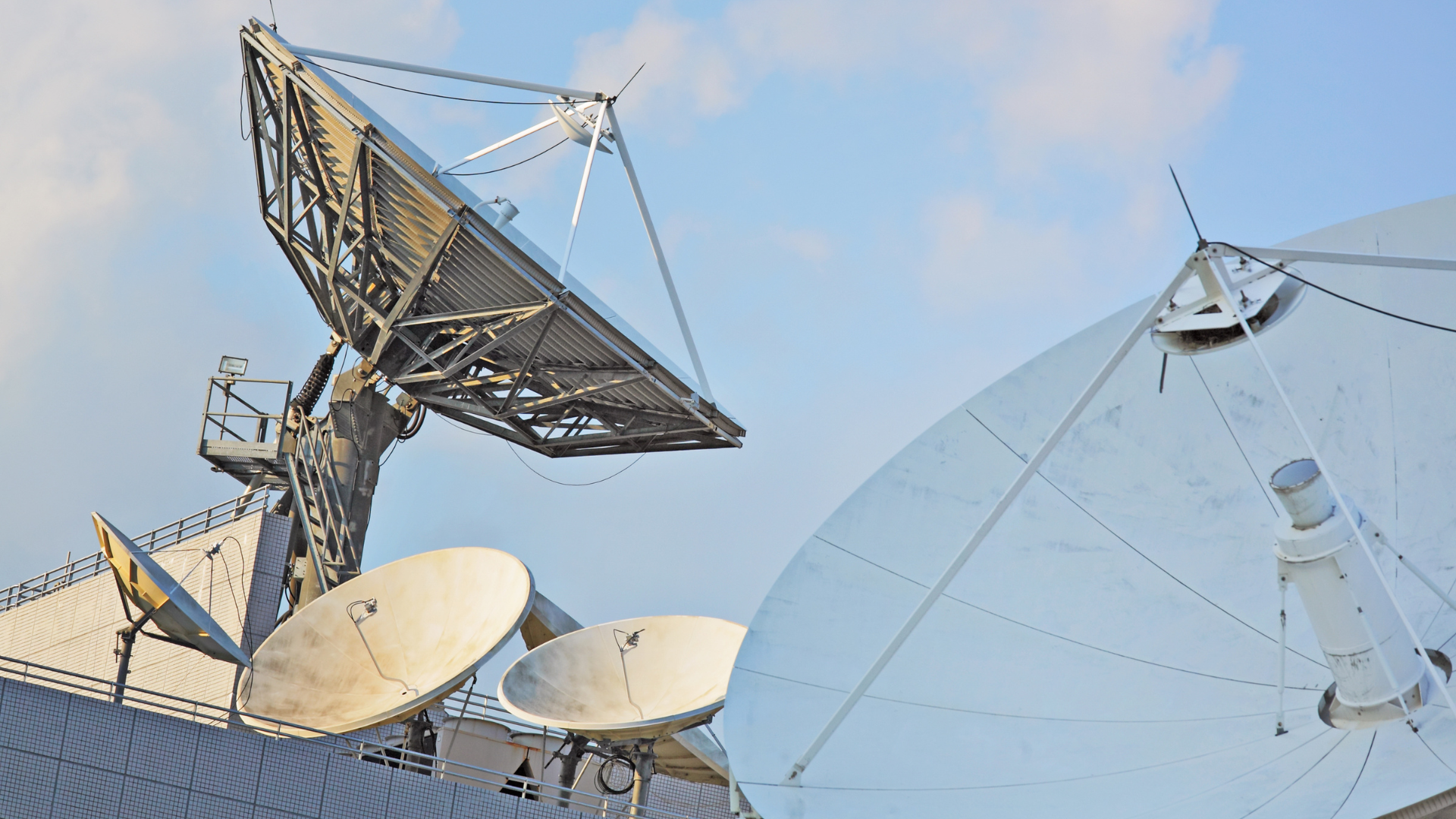
Africa’s growing digital infrastructure and satellite expertise can support contributions in data processing, analytics, and communications engineering. STEM capacity building in data science, AI, and space communications is a practical pathway into multinational missions.
In Angola, we have seen how much value increases when national teams can process data locally instead of exporting raw information and waiting for interpretation to come back. If African institutions can process data locally and contribute analytical products, they participate in the operational backbone of exploration.
Human Capital as Critical Infrastructure
Hardware is visible, but people determine success. Long-duration missions test human systems engineering, training, team performance, decision-making under pressure, and resilience.
Artemis is testing operational teams, mission control procedures, cross-disciplinary coordination, and failure response. The training pipeline must produce engineers who understand systems tradeoffs, operators who can manage anomalies, analysts who can interpret data under time pressure, and leaders who can coordinate across institutions. These capabilities are prerequisites for exploring planet Mars.
Knowledge transfer is a critical output of Artemis. Each mission adds operational lessons like what broke, why it broke, how long it took to diagnose, and how to prevent recurrence. Over time, those lessons become institutional memory. Institutions that keep that memory and train new cohorts against it become stronger.
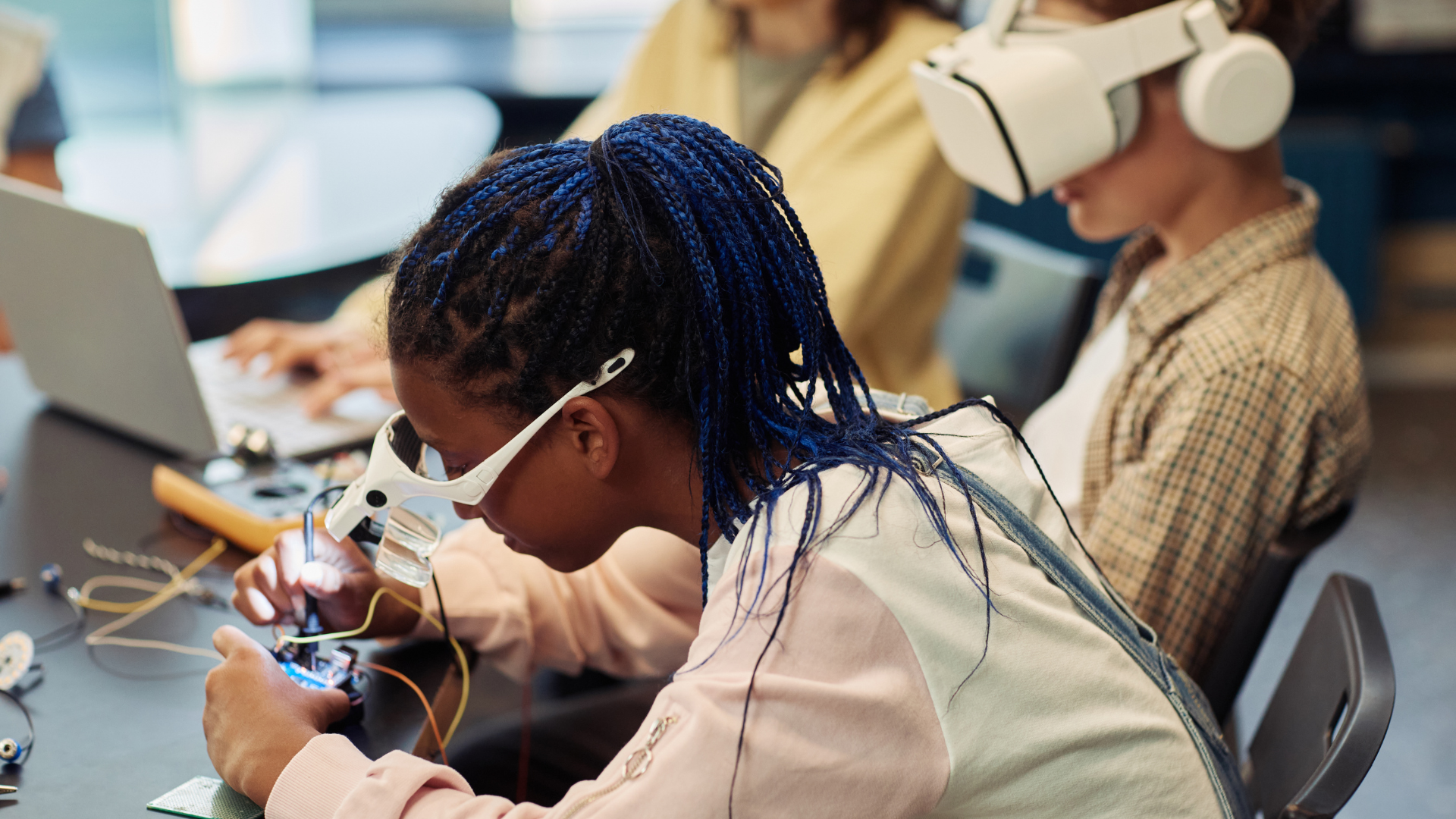
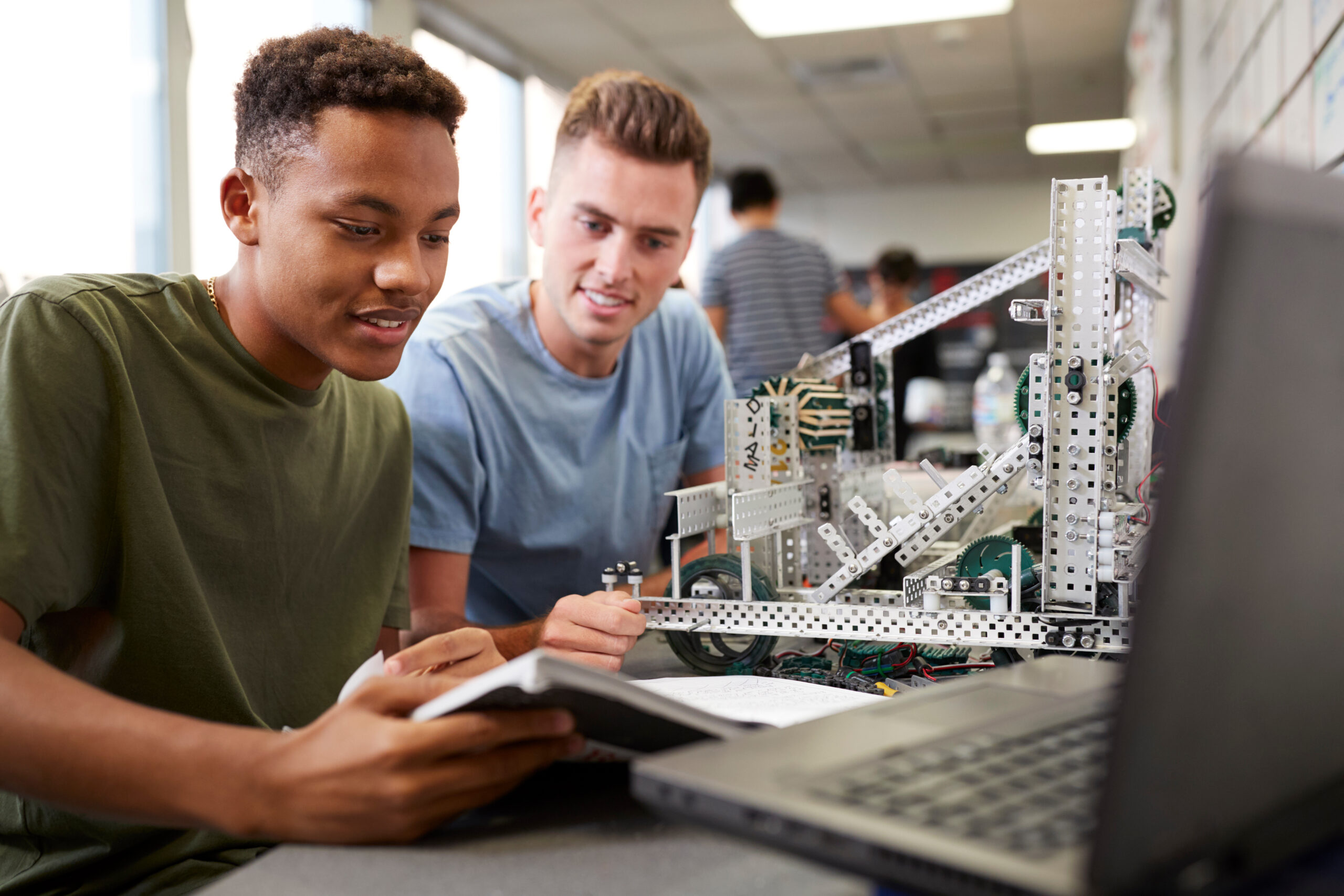
Artemis can serve as a framework for long-term STEM pipelines. African education programs aligned with systems engineering, robotics, space sciences, and mission operations build real capacity for participation. STEM is not abstract here. It is the mechanism that turns young talent into operational capability that partners can rely on.
As I’ve guest lectured at universities worldwide, participated in IAC sessions, and space policy and technical forums, I’ve often acted as a bridge between developed and emerging space nations. I’ve seen the impact that mentorship and exposure have on real operational governance environments, accelerating capability beyond theory. The future of Artemis depends on intentionally connecting talent, institutions, and experience across these worlds.
Artemis as a Transitional Economy, Not an Endpoint
Artemis should not be framed as “the Moon is the goal.” The Moon is a place to build habits, infrastructure, and markets that reduce risk for deeper exploration.
A transitional economy forms when services become repeatable. Repeatability lowers cost and improves reliability. That is what makes exploring planet Mars more feasible. A Mars mission built on a mature supply chain is not the same as a Mars mission built as a one-off.
Iterative capability building is the core risk-reduction method. Each Artemis mission does not have to be perfect. It has to produce learning that improves the next mission. That compounding effect is how complex systems become operational.
Positioning African nations within the evolving global space economy requires identifying where durable value is created. Long-term value comes from skills, standards alignment, and institutions that can contribute repeatedly. Artemis provides a platform for that kind of sustained participation. This is the same lesson we learn in national infrastructure. The assets that matter most are the ones you can operate reliably year after year, with local teams that can maintain and improve them.
From Lunar Operations to Martian Readiness
Operationally, Mars readiness is a checklist of capabilities that must work together:
- Durable power systems
- Resilient communications and navigation
- Validated life support and human performance protocols
- Logistics planning with redundancy and repair
- Autonomy and cybersecurity resilience
- Governance mechanisms that allow multi-actor coordination
Artemis becomes the connective tissue because it links near-Earth capability to deep-space ambition through real operations. It establishes the systems, standards, and learning loops that make exploration sustainable. That is why Artemis is the pathway.
Inclusive global participation strengthens the system. The more partners that contribute credible capabilities, technically, operationally, analytically, and governance, the more resilient the architecture becomes. That resilience matters because exploring planet Mars will require long-term continuity across political cycles, budgets, and technological change.
In practical terms, the strongest Mars pathway is the one built through repeated operational success. Artemis is building that pathway now, through infrastructure development, logistics discipline, interoperable governance, and workforce readiness. For Africa, the opportunity is to engage intentionally through STEM capacity building, subsystem contributions, data and digital infrastructure, and governance participation, areas that translate directly into long-term value within the global space economy.