The Artemis program is creating a globally distributed space exploration supply chain that extends far beyond rockets and spacecraft. This article explores how Africa’s growing space ecosystem—including telecommunications infrastructure, satellite operations, geospatial analytics, and technical talent—can contribute meaningfully to lunar exploration and the broader space economy. From ground systems and spectrum management to resilient communication networks and Earth observation capabilities, African institutions are increasingly positioned to become valuable partners in the infrastructure supporting humanity’s next era of deep-space activity.
In practice, the Artemis program isn’t a single mission or even a single program. It’s an evolving international system built on shared infrastructure, distributed capabilities, and coordinated expertise. At its core, Artemis represents a global architecture designed to support sustained human and robotic activity beyond Earth.
Space Science has always relied on collaboration. The scale of deep-space exploration requires expertise, infrastructure, and institutional coordination that no single country can provide on its own. For this reason, Artemis has been structured from the beginning as a multinational framework. Governments, research institutions, private companies, and emerging space nations all contribute pieces of the larger system. Each partner participates through a specific capability within the broader mission supply chain.
This reflects an important shift in how space exploration operates. Earlier eras often focused on singular achievements like launches, landings, and mission milestones. Artemis moves beyond that model. Instead, it treats exploration as a continuous operational environment supported by a distributed global supply chain.
The systems that make lunar missions possible extend across continents. Launch vehicles may depart from a handful of sites, but mission success depends on communication networks, navigation systems, engineering teams, software infrastructure, and data analysis centers worldwide. Each element forms part of the mission supply chain that sustains long-duration exploration.
For emerging space nations, this structure creates meaningful entry points. Participation doesn’t require owning a launch vehicle or building spacecraft from scratch. Countries can contribute through infrastructure, technical expertise, data services, and operational support within the broader Artemis supply chain.
Understanding this distributed model is essential because it changes how we think about participation in the global space economy.
The most common misunderstanding is that participation requires owning a rocket or building a spacecraft. In reality, Artemis is a distributed operational system. Its success depends entirely on a global supply chain where countries contribute specific capabilities—ground infrastructure, data systems, communications, and operational support. You do not need to launch the mission to be indispensable to it.
Africa’s Emerging Role in the Global Space Ecosystem
Over the past decade, Africa has become an increasingly active participant in the global space ecosystem. Across the continent, new space agencies have been established, universities have expanded research programs, and commercial space companies have begun developing innovative services.
This progress reflects a growing recognition that space infrastructure supports economic development. Satellite systems now contribute to telecommunications, environmental monitoring, agriculture planning, disaster response, and urban management. As these capabilities expand, African institutions are gaining experience that strengthens their position in the global supply chain for space.
Another important development is Africa’s increasing presence in international policy and governance discussions. African representatives now participate more frequently in global forums that shape space cooperation frameworks and technical standards. These conversations matter because they influence how future exploration systems will operate and how partners integrate into the broader mission supply chain.
Africa also brings several strategic advantages that align with the needs of deep-space infrastructure. Geography plays an important role. Ground infrastructure at different longitudes improves coverage for communication networks and mission-tracking systems. In addition, many African countries possess growing digital infrastructure and technical talent that can support operational services within the Artemis supply chain.
But perhaps the most important factor is human capital. Africa has one of the youngest populations in the world. With the right investments in education and technical training, this demographic advantage can translate into a skilled workforce capable of supporting complex space operations.
The challenge now is to align emerging capabilities with specific opportunities inside the Artemis supply chain.
Ground Systems Supporting Launch and Telemetry Operations
Every space mission depends on infrastructure that remains invisible to most observers. When a spacecraft launches, attention naturally focuses on the rocket or the crew. But long before a mission leaves Earth, engineers and operators rely on ground-segment systems that allow spacecraft to communicate with mission control.
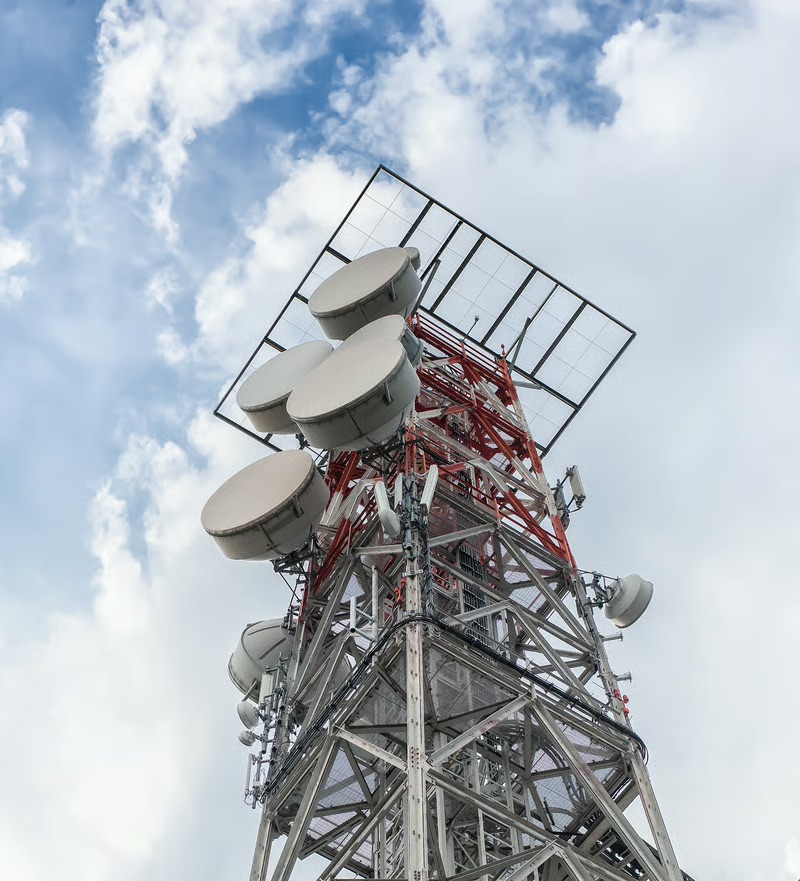
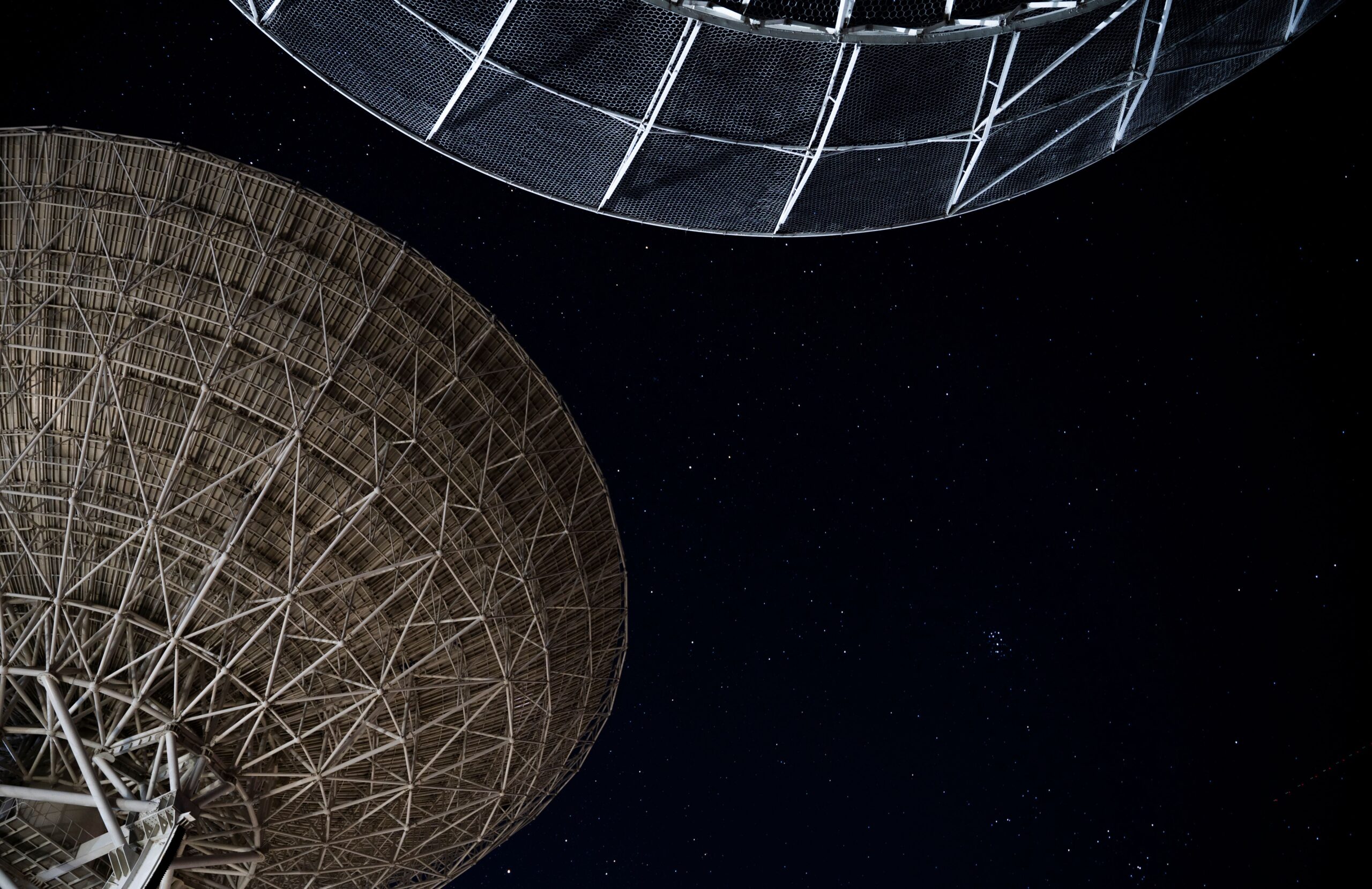
Ground stations play a critical role in the mission supply chain. These facilities receive telemetry data, send commands to spacecraft, and track vehicles as they travel through space. Without reliable ground infrastructure, spacecraft cannot maintain operational coordination with teams on Earth.
Distributed ground networks improve mission resilience by providing coverage across multiple regions. When a spacecraft moves beyond the range of one station, another facility can assume responsibility for communication. This geographic diversity ensures continuous connectivity throughout the mission supply chain.
For deep-space missions like those within the Artemis program, global coverage becomes even more important. Spacecraft traveling beyond Earth orbit require sustained communication links across large distances. Ground stations positioned in different regions of the world strengthen the reliability of the overall supply chain supporting lunar operations.
African countries have an opportunity to contribute meaningfully in this area. Investments in ground infrastructure, satellite tracking facilities, and communication networks can position African institutions as valuable partners within the Artemis supply chain. These capabilities complement existing strengths in telecommunications and satellite operations already present in several African countries.
Ground systems may not attract headlines, but they’re essential components of any functioning mission supply chain.
I have seen this principle applied directly in Angola. We designed a fully redundant Mission Control Center for ANGOSAT-2, ensuring continuous operations even in the event of system failures. We built backup systems, resilient connectivity, and distributed operational capabilities that maintain control and data flow at all times. The satellite is just a node; the ground segment is the nervous system that keeps it alive.
Spectrum Coordination in Multinational Space Missions
Another critical, yet often overlooked, component of space operations is spectrum management. Spacecraft, ground stations, and navigation systems all rely on radiofrequency signals to transmit information. If those signals interfere with one another, mission operations can be disrupted.
Managing radiofrequency spectrum across multiple missions and multiple countries is therefore a complex challenge. International coordination ensures that communication channels remain clear and that spacecraft can operate safely within the global supply chain of space operations.
For multinational programs like Artemis, spectrum coordination becomes even more important. Missions involve spacecraft from different agencies, ground stations operated by different partners, and communication systems that must function seamlessly together. Maintaining interference-free communications is essential to preserving the reliability of the mission supply chain.
This is where regulatory expertise becomes valuable. Engineers and policymakers who understand spectrum allocation, licensing procedures, and international communication standards play a critical role in mission operations.
African institutions have growing expertise in telecommunications regulation and spectrum management. Many countries already manage complex terrestrial communication networks and satellite services. These capabilities directly support the communication infrastructure within the Artemis supply chain.
Although spectrum coordination rarely receives public attention, it remains one of the technical foundations that sustain deep-space operations.
Earth Observation and Geospatial Analytics Supporting Mission Planning
Space exploration doesn’t begin in orbit. It begins with data collected on Earth. Earth observation satellites provide valuable information that supports planning for both terrestrial infrastructure and future mission environments.
Geospatial analytics play a key role in understanding environmental conditions, infrastructure development, and logistical planning. These tools allow analysts to monitor climate patterns, assess terrain characteristics, and evaluate transportation networks.
Such information becomes relevant to the mission supply chain when agencies plan facilities, infrastructure projects, or operational support systems connected to exploration programs. For example, Earth observation data can help identify optimal locations for ground stations, communication infrastructure, or research facilities supporting the Artemis supply chain.
African researchers and institutions are already gaining experience in geospatial analytics through projects related to environmental monitoring, resource management, and disaster resilience. These capabilities create opportunities for participation in data analysis, modeling, and mission planning activities within the Artemis supply chain.
The same analytical skills used to interpret environmental data for agriculture or climate research can also support complex logistical planning for space exploration systems.
This intersection between terrestrial data science and space exploration demonstrates that participation in the mission supply chain often begins with capabilities already under development on Earth.
Expanding Satellite Connectivity and Network Resilience
Reliable connectivity is one of the most important requirements for modern space operations. Missions generate enormous volumes of data that must be transmitted, processed, and interpreted quickly.
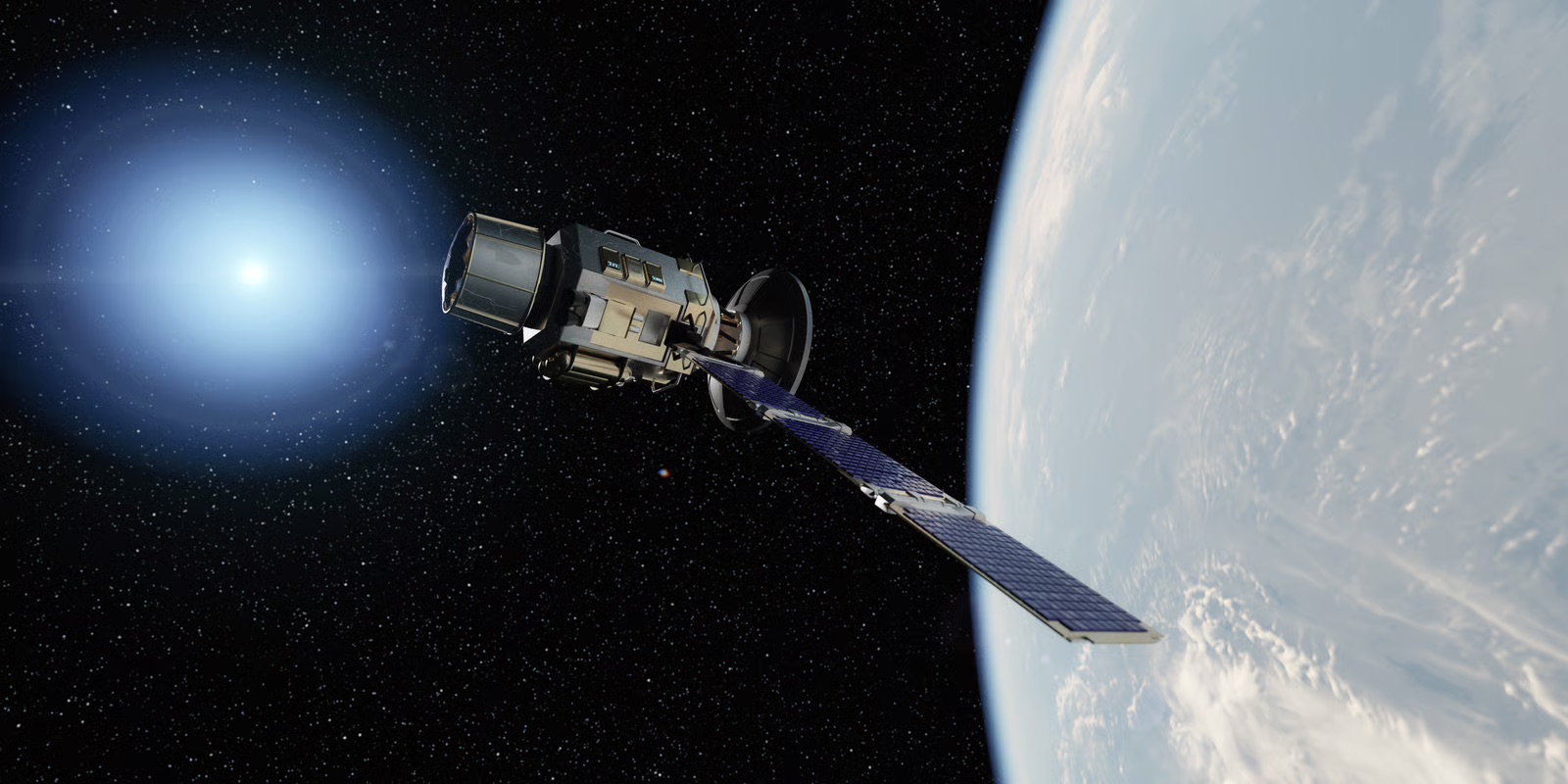
Satellite communication networks form a central component of the exploration supply chain. These networks support command transmission, telemetry monitoring, scientific data transfer, and coordination between international partners.
As exploration missions expand beyond Earth orbit, connectivity infrastructure must become more resilient. Redundant communication pathways help ensure that data can reach mission teams even if a single network component fails.
Distributed connectivity also strengthens the resilience of the broader supply chain supporting deep-space exploration. By linking multiple ground stations, data centers, and communication satellites, agencies can maintain operational continuity across global networks.
Africa’s expanding telecommunications infrastructure positions the continent to contribute to this evolving architecture. Investments in satellite connectivity, network engineering, and digital infrastructure create potential entry points within the communication supply chain supporting Artemis missions.
These capabilities reinforce an important lesson in modern space exploration: reliable networks are just as critical as rockets.
Network resilience is critical because exploration systems cannot rely on single points of failure. Deep-space missions require continuous, reliable communication across vast distances. This is achieved through redundancy: multiple ground stations, interconnected networks, and distributed infrastructure. As exploration expands, resilient communication systems become just as essential as the spacecraft itself.
Africa’s Integration Within the Broader Lunar Economy Framework
The Artemis program is often discussed in terms of exploration goals, but it is also laying the foundation for a broader lunar economy. This emerging economic environment will include infrastructure providers, technology developers, research organizations, and service companies operating across the entire mission supply chain.
Participation in this ecosystem extends far beyond launch services or spacecraft manufacturing. Data services, communication infrastructure, analytics, logistics planning, and software development all contribute to the functioning of the exploration supply chain.
For African countries, this broader framework creates opportunities to engage in specialized areas where local expertise can add value. Institutions that develop capabilities in data science, telecommunications engineering, or geospatial analysis can become part of the operational supply chain supporting lunar exploration.
The key factor is alignment. Emerging capabilities must connect to real operational needs within the Artemis architecture. When technical expertise aligns with mission requirements, partnerships become mutually beneficial.
Participation in the global exploration supply chain becomes a pathway for technological development and economic growth.
The Role of Global Partnerships in Building the Artemis Supply Chain
Large-scale exploration programs succeed when partnerships are built on trust, reliability, and shared technical standards. The Artemis initiative reflects this principle by encouraging collaboration between governments, commercial companies, research institutions, and emerging space nations.
Each partner contributes capabilities that strengthen the mission supply chain. Some provide spacecraft components or launch services. Others contribute ground infrastructure, data analytics, or communication networks.
The system’s strength lies in its diversity. Distributed capabilities reduce risk and increase resilience. If one component of the supply chain encounters disruption, others can help maintain operational continuity.
For emerging space nations, the path forward involves identifying areas where national capabilities align with these operational needs. Investments in education, research, telecommunications infrastructure, and digital technology all support potential participation in the Artemis supply chain.
This approach ensures that exploration becomes a truly global endeavor rather than a limited competition among a few major space powers.
As Artemis missions expand in the coming years, the global supply chain supporting lunar exploration will continue to evolve. Countries that invest early in technical capability, infrastructure, and human capital will be best positioned to participate meaningfully.
Africa’s growing space ecosystem is not simply an observer of exploration. It’s becoming part of the global supply chain that will sustain humanity’s next era of deep-space activity.