How can emerging nations influence the future of the Artemis program without launching rockets?
The Artemis program is evolving into a globally distributed operational system built on infrastructure, communications, governance, data processing, and interoperability. This article explains why participation in modern space exploration is no longer limited to launch capability and how emerging nations can contribute meaningful operational value through systems integration, ground infrastructure, spectrum coordination, logistics, and technical expertise.
Rather than focusing solely on lunar missions themselves, the article explores how countries that invest early in operational capabilities, workforce development, and international collaboration can help shape the long-term architecture of the Artemis program. It also highlights Africa’s growing strategic role within the global space ecosystem and why capability—not just launch access—will define influence over the next decade.
When people talk about the Artemis program, they usually focus on rockets, timelines, and landings. That’s understandable, but it doesn’t fully reflect what is being built.
From what I’ve experienced in international discussions, including at the International Astronautical Congress and in conversations around the Artemis Accords, the change is already underway. Participation is no longer defined by who launches but by who contributes.
I saw this shift clearly when I was invited by NASA to attend the Artemis II launch. Standing alongside space leaders like Jared Isaacman, I was the only African in the room. That moment underscored a stark reality: the architecture for the next fifty years of space exploration is being built right now. If emerging nations want a seat at the table, we can’t just be observers. We must bring operational capabilities that the system actually needs.
Space science has always been about pushing boundaries, but the Artemis program is building something more operational. It’s creating an environment where sustained activity depends on infrastructure, data systems, governance, and people who know how to run them.
That changes the question. It’s no longer “Who gets to the Moon?” It’s “Who is helping make those missions possible?”
For emerging nations, that distinction is important. You don’t need launch capability to be relevant in the Artemis program. What matters is the ability to build, operate, and integrate systems into a larger architecture.
Artemis as a Distributed Global System
To see how emerging nations can get involved, it’s useful to look at how the Artemis program really works.
The Artemis program isn’t just one mission or a series of missions. It’s a system that includes communications networks, navigation, ground infrastructure, data systems, and governance. Every part needs to work well, and each one relies on the others.
This looks like lunar operations relying heavily on Earth-based systems. Ground stations track spacecraft, data systems process information, and regulatory frameworks ensure that communications work without interference.
I’ve learned throughout my career that space systems don’t operate in isolation. Without supporting infrastructure on Earth, even the most advanced spacecraft can’t function as intended.
The Artemis Accords set up rules that help countries work together and keep systems compatible. Meanwhile, global ground networks and communication systems keep missions running smoothly.
This means participation in the Artemis program occurs across the system, not just at launch.
One point that’s often overlooked is how tightly coupled communications, navigation, and data processing are. A delay in data processing affects decision-making. A disruption in communications affects command execution. Weak coordination at the governance level creates friction across the entire system. In the Artemis program, these dependencies become more visible because missions are operating farther from Earth, where there’s less margin for error.
In real operations, resilience comes from many systems working together, not just one strong system. That’s why having systems spread out matters. When different regions and organizations share the load, there’s backup if something fails. This is also where emerging nations can make a real difference by improving certain parts of the system.
Where Emerging Nations Contribute Operationally
1. Infrastructure & Ground Systems
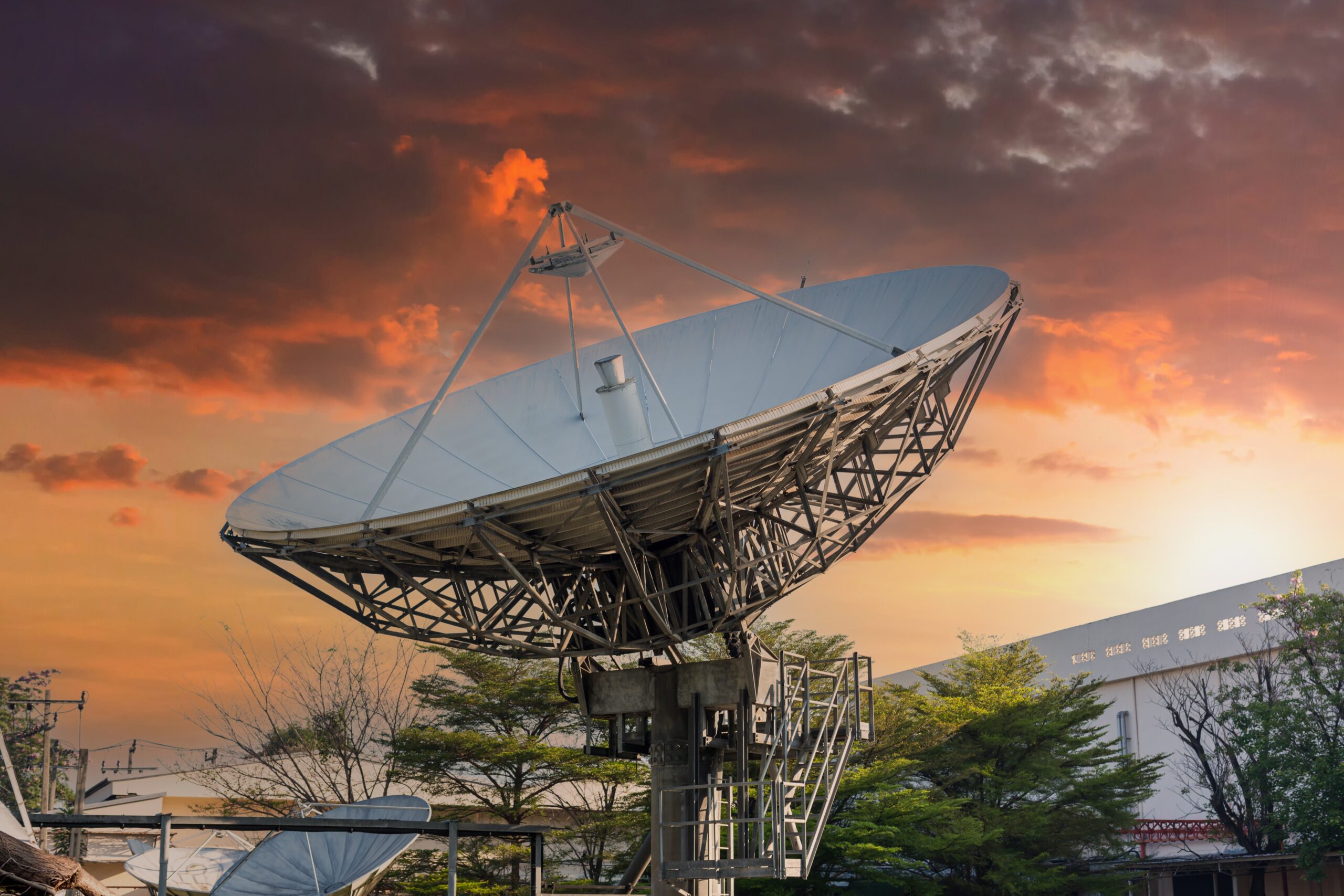
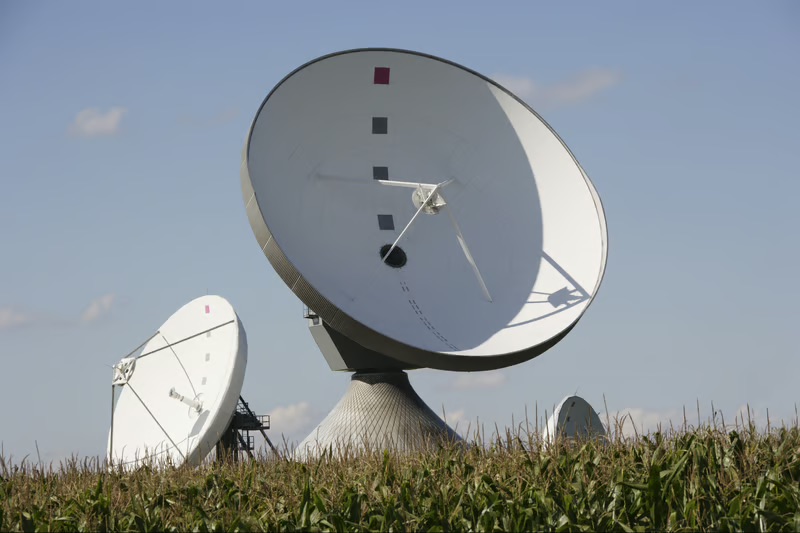
One of the clearest entry points into the Artemis program is ground infrastructure.
Ground stations, telemetry systems, and tracking capabilities allow spacecraft to communicate, receive commands, and send data back to Earth. Without them, missions can’t operate.
Africa has a real advantage in this area. Its location gives wider ground coverage, which means better backup and fewer communication gaps.
Operationally, more ground infrastructure means higher reliability. It also lowers costs by distributing coverage across multiple regions rather than concentrating it in a few locations.
2. Data, Earth Observation & Analytics
Another key area is data.
From my experience, data only becomes valuable when it’s processed and applied. Earth observation and geospatial analytics already support climate monitoring, logistics planning, and infrastructure decisions.
In Angola, the Drought Decision Support System, developed with NASA and MIT, shows how satellite data can be turned into operational tools. That same capability applies directly to the Artemis program.
Missions generate large volumes of data. The ability to process, interpret, and act on that data is essential for safe and effective operations. You can’t just collect the data and expect it to be impactful. You have to know how to use it.
3. Communications & Spectrum Coordination
Communications live at the center of the Artemis program.
Every mission depends on stable, interference-free communication. And that requires coordination across frequencies, systems, and countries.
From what I’ve seen, countries that choose to invest in communications infrastructure and spectrum expertise place themselves directly within mission operations.
ANGOSAT-2 shows how building and managing communication systems can boost connectivity and resilience. When these systems are linked with regional efforts, they cover more ground and offer better backup.
Within the Artemis program, communications are what keep missions functioning in real time.
4. Governance & Policy Alignment
The Artemis program also depends on governance.
The Artemis Accords provide a framework for interoperability and coordination. For emerging nations, this creates an entry point but only if engagement happens early.
Countries that join governance talks early have more say in how things develop. Those who come in later usually have to adjust to decisions already made.
Angola’s approach has been to engage early and align national policy with international frameworks. That makes it easier to contribute in a meaningful way.
Governance isn’t just a theory. It directly affects how systems link up and how work gets done.
5. Logistics, Modeling & Systems Engineering
The Artemis program is also a logistics challenge.
Technology matters, but operations determine outcomes. Missions depend on supply chains, reliability planning, and coordination across systems.
Emerging nations already have experience in these areas, like building transportation networks and developing infrastructure.
From what I’ve seen, systems fail when logistics are weak, not when technology is unavailable. This is a practical and often overlooked entry point for contribution.
Another area that deserves more attention is testing and validation. Before systems are deployed in space, they must be tested under conditions that reflect operational reality. This includes environmental testing, systems integration testing, and scenario-based simulations, which are necessary for mission success.
Emerging nations can contribute to this layer by developing testing environments, simulation capabilities, and validation frameworks. These contributions may not be visible in launch footage, but they directly affect how systems perform once deployed. In many cases, identifying a failure on the ground prevents a failure in space. That’s a critical part of operational participation in the Artemis program.
Partnerships and Interoperability as Force Multipliers
The Artemis program heavily depends on collaboration.
No single country can build or sustain this system alone. It requires coordination between governments, private companies, and international partners.
Regional cooperation also plays a role. In Africa, shared satellite initiatives and coordinated infrastructure show how systems can be built collectively.
Interoperability makes this teamwork possible. When systems use the same standards, they connect more easily. This lowers barriers and lets more people take part.
From an operations view, interoperability boosts both reliability and the ability to grow.
Africa’s Strategic Position in the Artemis Ecosystem
Africa is already developing relevant capabilities.
Satellite programs like ANGOSAT-2, along with growing digital infrastructure and data systems, form part of that foundation, and regional cooperation continues to expand.
Geographically, Africa is well-positioned to support ground infrastructure and tracking systems. At the same time, investments in STEM and workforce development are building technical capacity.
All these factors give Africa clear ways to join the Artemis program.
From where I stand, the opportunity is practical. Africa can contribute to infrastructure, data systems, and governance, not as an observer, but as an operational partner.
There’s also a timing advantage that can’t be overlooked. The Artemis program is still evolving, which means the architecture is too. This creates space for new contributors to align early and integrate into system development rather than having to adapt later. I believe early alignment creates long-term advantages in both technical and governance roles.
In Africa, the focus should be on matching current strengths with what the system needs. Ground infrastructure, data analysis, communications, and regulations are not just future possibilities—they are ways to get involved right now. The next step is to connect these strengths to real mission needs, turning potential into real contributions.
The development of the SADC Satellite Sharing framework is a prime example. Instead of each nation negotiating separately for foreign satellite capacity, Angola leveraged the ANGOSAT-2 infrastructure to offer regional connectivity. This shifted the dynamic from Africa being a passive consumer of foreign space services to an active provider of regional solutions, changing how international partners now approach the SADC market.
The Next Decade: From Participation to Influence
What comes next depends on how well countries prepare.
Countries that invest in strong institutions, workforce training, and following standards will go beyond just taking part—they’ll help shape how systems are built.
There are risks. Joining late means less influence. Working separately weakens impact.
But working together gives countries more leverage.
The difference between participation and influence comes down to readiness.
Workforce development will play a defining role in this transition. Systems don’t operate on their own; you need people to do that. Engineers, analysts, operators, and policymakers all contribute to how systems perform. The most effective programs are the ones that invest in training people to operate within real systems.
This means getting experience with mission operations, engineering, and working across different fields. The Artemis program offers chances to learn through partnerships, training, and technical exchanges. Countries that use these opportunities will build skills faster and take a stronger role in the system.
I look for systems-level thinking over isolated technical brilliance. A great engineer who only understands their specific subsystem is a risk in operations. I look for teams that understand the dependencies; how a delay in telemetry affects command execution, or how spectrum interference cascades through a network. Operational readiness is about managing the seams between systems.
Key Takeaway: Capability Over Launch
The Artemis program isn’t a race.
Launch capability provides access, and systems capability creates influence.
Countries that can build, operate, and integrate systems will shape how the Artemis program evolves. Others will participate in more limited ways.
As the Artemis program grows, it matters less who joins and more how they contribute.
How do emerging nations ensure they’re shaping the system, not just operating within it?
It all comes down to building capability, training people, and following global standards. That’s how participation turns into real influence and impact.